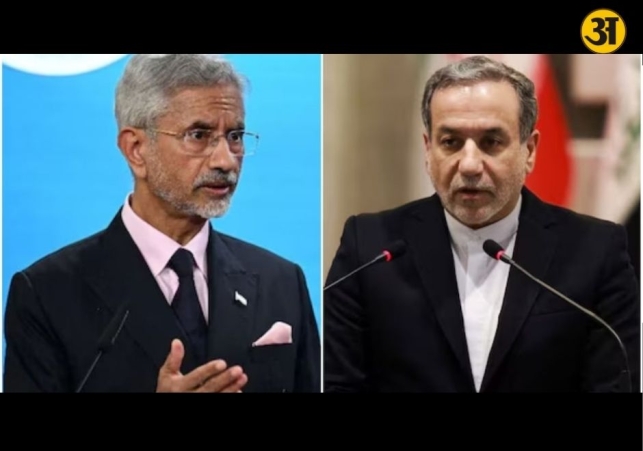
India calls for dialogue as tensions rise in Middle East
Jaishankar speaks with Iran and Oman as India pushes for diplomacy in Middle East crisis
- By Gurmehar --
- Friday, 06 Mar, 2026
India is closely watching the growing tensions in the Middle East as fighting and political pressure continue to rise between major powers in the region. On Thursday, External Affairs Minister S. Jaishankar held important phone conversations with the foreign ministers of Iran and Oman to discuss the situation. The talks come at a time when the conflict involving the United States, Israel, and Iran has raised global concerns about stability in the Gulf and the wider West Asian region.
Jaishankar spoke with Iran’s Foreign Minister Seyed Abbas Araghchi during the afternoon. The conversation focused on the latest developments in the region and the need to prevent the crisis from getting worse. Later in the day, he also held discussions with Oman’s Foreign Minister Sayyid Badr bin Hamad bin Hamood Albusaidi about the ongoing tensions and the impact they could have on regional peace and security.
The discussions highlight India’s diplomatic efforts to stay engaged with all sides while encouraging peaceful solutions to the conflict.
India reaches out to regional leaders
This was the second conversation between Jaishankar and the Iranian foreign minister in about a week. Earlier, on February 28, the two leaders had also spoken about the situation in Iran and the wider Middle East. During that earlier discussion, India had expressed deep concern over the rising tensions and the possibility that the situation could escalate further.
On the same day, Jaishankar had also spoken with Israel’s Foreign Minister Gideon Sa’ar. In that conversation, India emphasized the importance of dialogue and diplomacy to reduce tensions. India has consistently maintained that disputes should be resolved through peaceful negotiations rather than military action.
India’s outreach to multiple countries shows its balanced approach toward the crisis. As a country with strong ties to many nations in the Middle East, India is carefully maintaining communication with all sides. The region is extremely important for India due to trade, energy supplies, and the presence of millions of Indian citizens working there.
Oman, for example, plays an important role in regional diplomacy and has often acted as a mediator in conflicts. By speaking with Oman’s foreign minister, India is also staying connected with countries that may help promote peaceful discussions between rival powers.
ALSO READ: Iran warns US after warship Iris Dena sunk in Indian Ocean, 87 killed
ALSO READ: US Embassy in Riyadh hit by suspected Iranian drones; Trump warns response coming soon
Government monitoring the crisis closely
The Indian government has been actively monitoring the situation since tensions escalated between the United States, Israel, and Iran. Officials in New Delhi remain concerned that any further escalation could threaten regional stability and affect global markets, particularly oil prices.
Prime Minister Narendra Modi has also been closely following developments. Last week, he chaired a meeting of the Cabinet Committee on Security (CCS), where senior ministers and top security officials reviewed the situation in the Middle East and discussed possible implications for India.
The government’s priority is to ensure the safety and welfare of Indian citizens living and working in the region. Millions of Indians are based in Gulf countries, and any conflict could directly affect them. Because of this, the government has remained in regular contact with leaders from several Middle Eastern nations.
Prime Minister Modi has spoken with multiple leaders from the Gulf region in recent days. During these conversations, he thanked them for ensuring the safety and well-being of Indian communities living in their countries.
On Thursday, Modi also held a conversation with French President Emmanuel Macron. The two leaders discussed the evolving situation in West Asia and shared their concerns about the growing tensions. They agreed that countries must work together to restore peace and stability in the region as soon as possible.
After the call, Modi said that India and France would remain in close contact and coordinate their efforts to encourage dialogue. Both countries believe that diplomatic engagement is the best way to prevent further escalation.
India has repeatedly stated that restraint is necessary from all sides. According to New Delhi, continued dialogue and diplomatic efforts are essential to prevent the conflict from spreading further.
The Middle East has long been a region of strategic importance for India. Apart from energy imports, the area is also vital for trade routes and economic cooperation. Instability in the region can therefore have serious economic and political consequences.
For this reason, India has chosen to follow a careful diplomatic path. By engaging with multiple countries and encouraging peaceful discussions, New Delhi hopes that tensions can be reduced before the situation turns into a wider conflict.
As the crisis continues to develop, India is expected to remain actively involved in diplomatic communication with regional and global partners. Officials believe that international cooperation and dialogue remain the most effective ways to bring calm back to the region and avoid further escalation.
Related News